
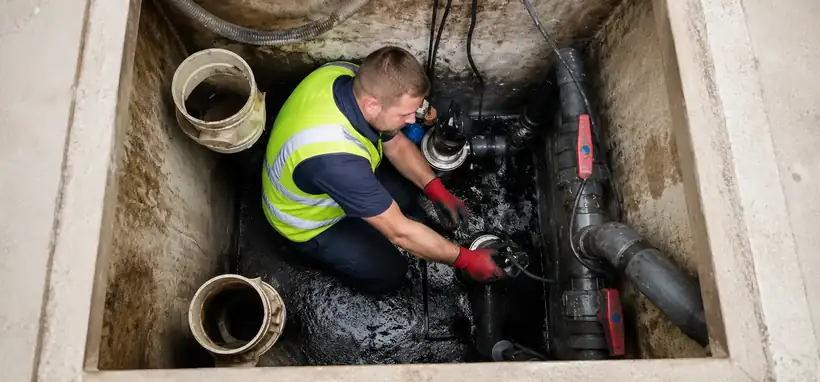
Drainage in Dubai is regulated for good reason: grease, sewage and storm water all end up in shared public systems. This page explains, in plain language, what Dubai Municipality generally expects from food businesses, buildings and facilities, and how a properly run drainage service supports that compliance. It is practical guidance, not legal advice; requirements evolve, so always confirm current rules with the Municipality for your specific case.
Who is expected to do what
Food establishments are expected to manage the grease their kitchens produce: a working grease trap, maintained on a schedule that matches how hard the kitchen works, with waste removed responsibly rather than pushed into the public network. Buildings and facilities are expected to keep their private drainage in working order, so that blockages, overflows and odours do not become a public nuisance or health issue. Everyone is expected to keep contaminants such as grease, solids, paint and chemicals out of the sewer and storm networks.
What inspectors typically look for
- A grease trap that is actually working, not full to the brim and passing grease straight through
- Evidence of a maintenance routine: when it was serviced, by whom, and where the waste went
- Kitchens free of drainage odours, backups and pest attraction linked to neglected lines
- No signs of grease, waste or wash water being disposed of into street or storm drains
The pattern behind all of it is simple: maintain your drainage, keep records, and dispose of waste through legitimate channels.
The records that make inspections easy
The difference between a smooth inspection and a stressful one is usually a folder. Keep a service log for every drainage visit: the date, what was serviced, the company that did it, what was found, and how waste was handled. A kitchen or facility that can produce that log answers most questions before they are asked. Every HydroJetDubai visit comes with documentation precisely so this file builds itself.
How our service supports compliance
- Grease traps emptied and cleaned on a schedule sized to your kitchen, with records for each visit
- Kitchen and building lines jetted before they cause the backups and odours inspections flag
- Waste handled responsibly through legitimate disposal channels, never into street or storm drains
- Reports and camera footage that document the condition of your drainage over time
Storm drainage and communities
Storm networks only work when they are clear, and keeping private catch basins, gullies and culverts maintained is part of being a responsible community or facility. A pre season clean is both good practice and good neighbourliness: blocked private drainage becomes everyone problem the day it rains.
Compliance questions we hear
How often does a grease trap need servicing to stay compliant?
Often enough that it never stops separating. A common working rule is servicing before grease and solids fill about a quarter of the trap, which for busy kitchens tends to mean monthly and for quieter ones quarterly. The right interval comes from looking at your trap, and the record of sticking to it is as important as the interval itself.
What happens if a kitchen neglects its grease management?
Practically: blocked lines, backups during service, odours and pest problems. Administratively: a difficult inspection, since neglected grease management is visible and undocumented. The scheduled version is cheaper than either outcome.
Can you provide the documentation our inspections need?
Yes. Every visit produces a record of what was serviced, what was found and how waste was handled, and we can structure the schedule and reporting around what your inspections ask for.